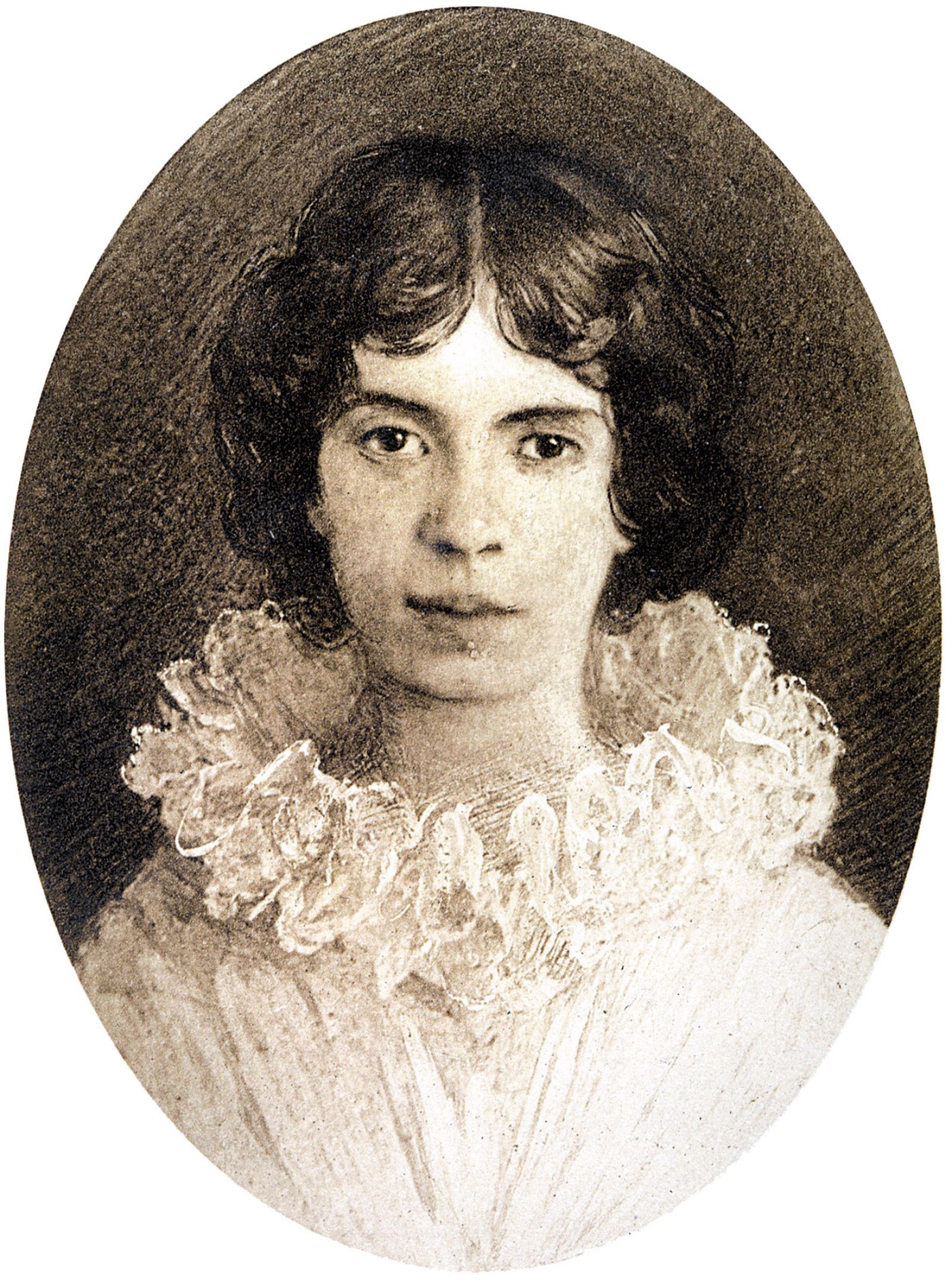
“The older I grow, the more do I love Spring
and spring flowers. Is it so with you?”
~Emily Dickinson~
Not long to go!
“The older I grow, the more do I love Spring
and spring flowers. Is it so with you?”
~Emily Dickinson~
Not long to go!


I'll tell you how the Sun rose,
A ribbon at a time.
The Steeples swam in Amethyst,
The news, like Squirrels, ran.
The Hills untied their Bonnets,
The Bobolinks begun,
Then I said softly to myself,
"That must have been the Sun."
I'll Tell You How The Sun Rose
"Emily Elizabeth Dickinson (December 10, 1830 – May 15, 1886) was an American poet. Little-known during her life, she has since been regarded as one of the most important figures in American poetry. Miss Dickinson was born in Amherst, Massachusetts, into a prominent family with strong ties to its community. After studying at the Amherst Academy for seven years in her youth, she briefly attended the Mount Holyoke Female Seminary before returning to her family's home in Amherst. Evidence suggests that Miss Dickinson lived much of her life in isolation. Considered an eccentric by locals, she developed a penchant for white clothing and was known for her reluctance to greet guests or, later in life, even to leave her bedroom. Dickinson never married, and most of her friendships were based entirely upon correspondence."
More can be read if you click on her name at the bottom of the poem.

That perches in the soul,
And sings the tune without the words
And never stops at all,
And sweetest in the gale is heard;
And sore must be the storm
That could abash the little bird
That kept so many warm.
I've heard in the chillest land,
And on the strangest sea;
Yet, never, in extremity,
It asked a crumb of me.
“Emily Dickinson's poem was published in 1861. She spent most of her adult life as a recluse living in her family home, only rarely venturing out. She was very quiet and timid, never married or actively sought a permanent relationship, despite correspondence with several older men she viewed as her protectors.
Her poetry is full of figurative language, and this poem is an extended metaphore, transforming hope into a bird (the poet loved birds) that is ever present in the human soul. It sings, especially when times get tough. Hope springs eternal, might be a reasonable summing up.”